 1
1
 0
0
Guest Writer Brendon Hennigan shares his experience as a former track racer at Pittsburgh International Raceway. He didn’t quit racing or just move on because he wanted to. Instead, the track itself closed down so the land could be used for an AI data center. Here is his story.
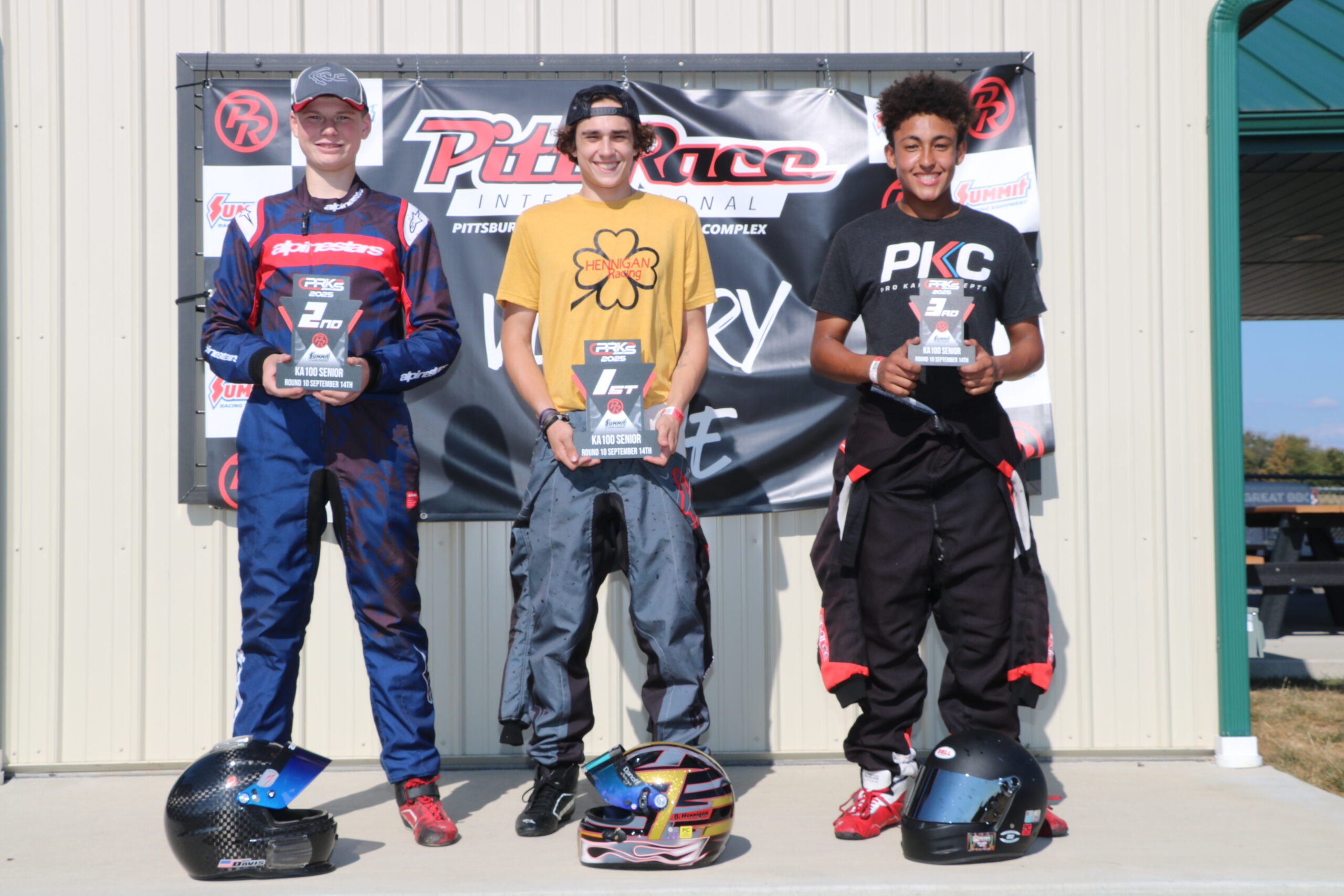
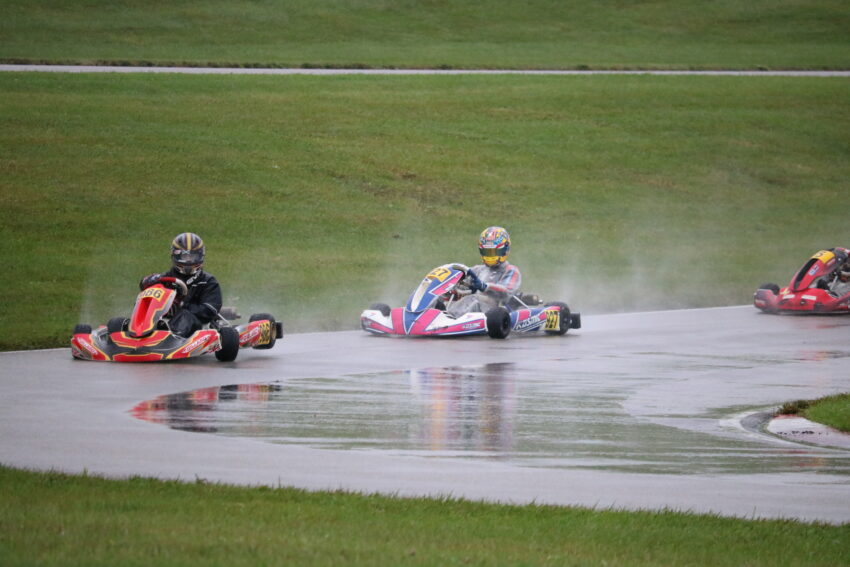
It’s late summer, and you come around the final corner of the Wilson Circuit karting track at Pittsburgh International Raceway. The laps are winding down, you’re so focused you don’t even realize the heat. As you come down the front straight, you see the 2 laps to go flag. The race has been an intense fight between yourself and two other drivers, diving inside of each other, blocking the apexes, going wheel to wheel at 70+ MPH with no seatbelt. The lines between motorsport and a dog fight blur. There are no thoughts in your head, just your raw instinct, correcting slides before your brain fully comprehends what’s happening. Then it’s the last lap, you’re right on the bumper of the leader. You continue to gain on them up the long left-hander to the water tower. Jump the kerb at the quick right turn, and you are inside them heading into the hardest braking zone. You and your opponent stand on the brakes to lose momentum before the downhill right turn. As you make the 180-degree turn, you fight the G-forces and the kart to stay inside the other racer; one mistake and you both crash. On turn exit your ahead, there’s no time left, you’re home free. You come around that final corner and see the checkered flag waiting just for you. That is exactly what happened to me on September 14th of this year, my last race ever at Pittsburgh International due to the AI industry.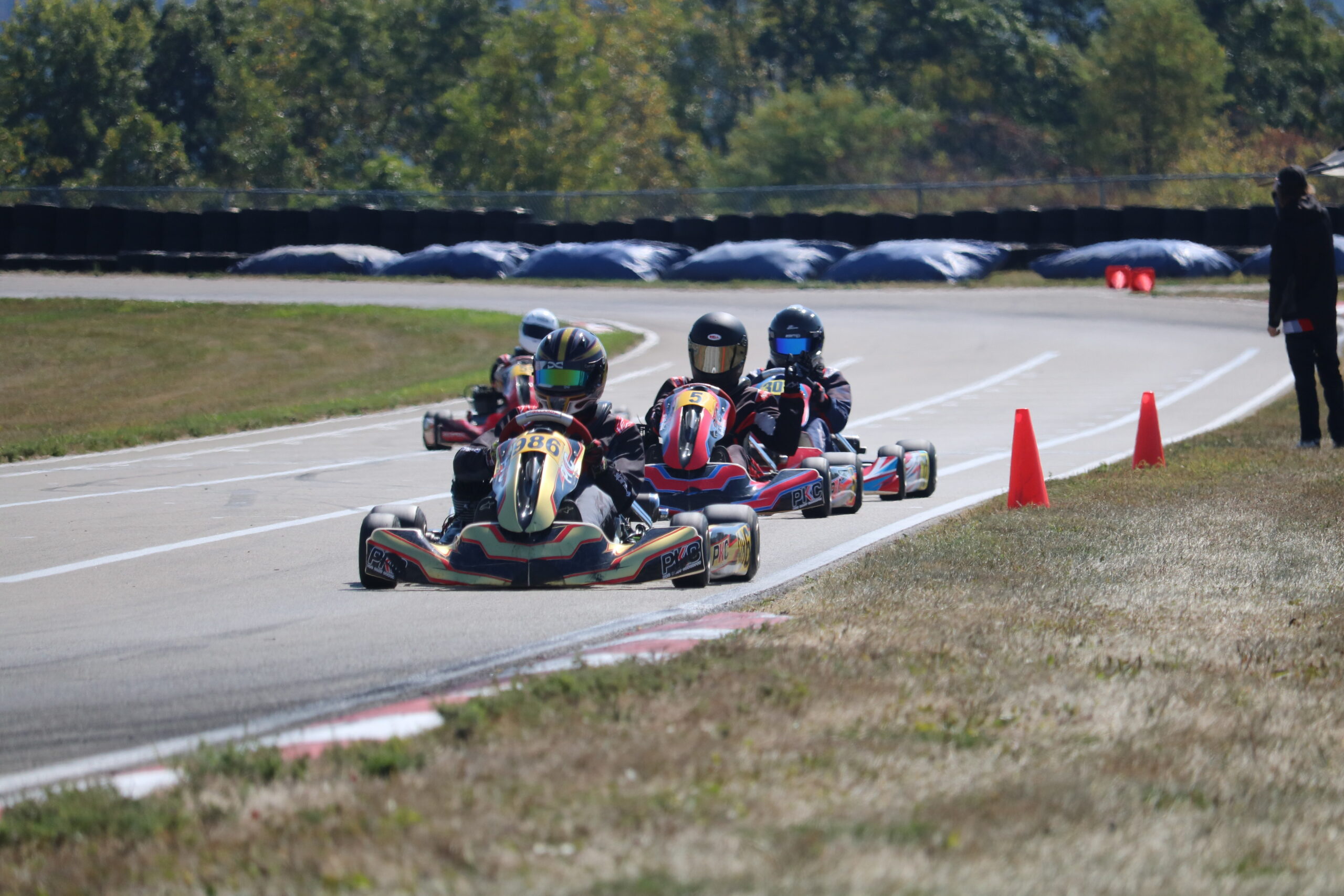
Pittsburgh International Raceway, or Pittrace for short, was a Motorsports hub situated in Wampum, Pennsylvania. Pittrace brought people from all over to enjoy their wide range of motorsports. Pittrace held SCCA events, National and local karting races, the Moto-America series, Trackdays, various grassroots racing series, and the Pittsburgh Vintage Grand Prix fundraiser. On October 1st, regulars at the track were shocked to see a statement from the track’s owners, Jim and Kathy Stout. The heading, “The final season of Pittrace,” said it all. Their statement was extremely short and created more questions than answers. People were caught off guard by how sudden it was; there was no warning, and people were angry with the short comment from the owners. It wasn’t long until rumors started to come out saying AI data center developers bought the track.
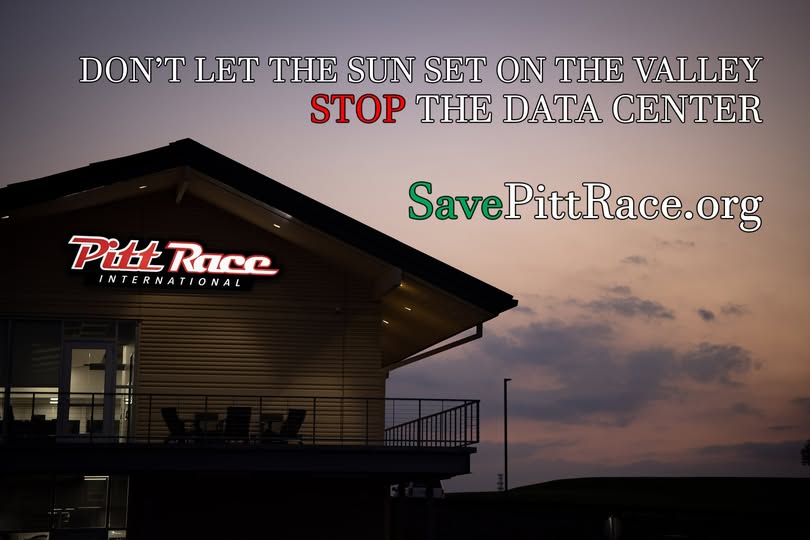
Many locals and Pittrace patrons went to the county meetings, where they were told that it’s not set in stone, but Pittrace will most likely need to be rezoned to become a data center. People were outraged, Pittrace brought in a lot of revenue for the area, and locals understand the downsides of living by a massive data center, such as increased electricity cost, lower water pressure, and constant hum 24/7 year-round. The community continues to fight against the data center and to save Pittrace. Savepittrace.org is a website created to share information on township meetings and what we can do to prevent the data center from going in. The petition has almost 10 thousand signatures. It’s important to so many people, and to the economics of the surrounding area. Can we give this up for a data center? What benefits does the data center even have?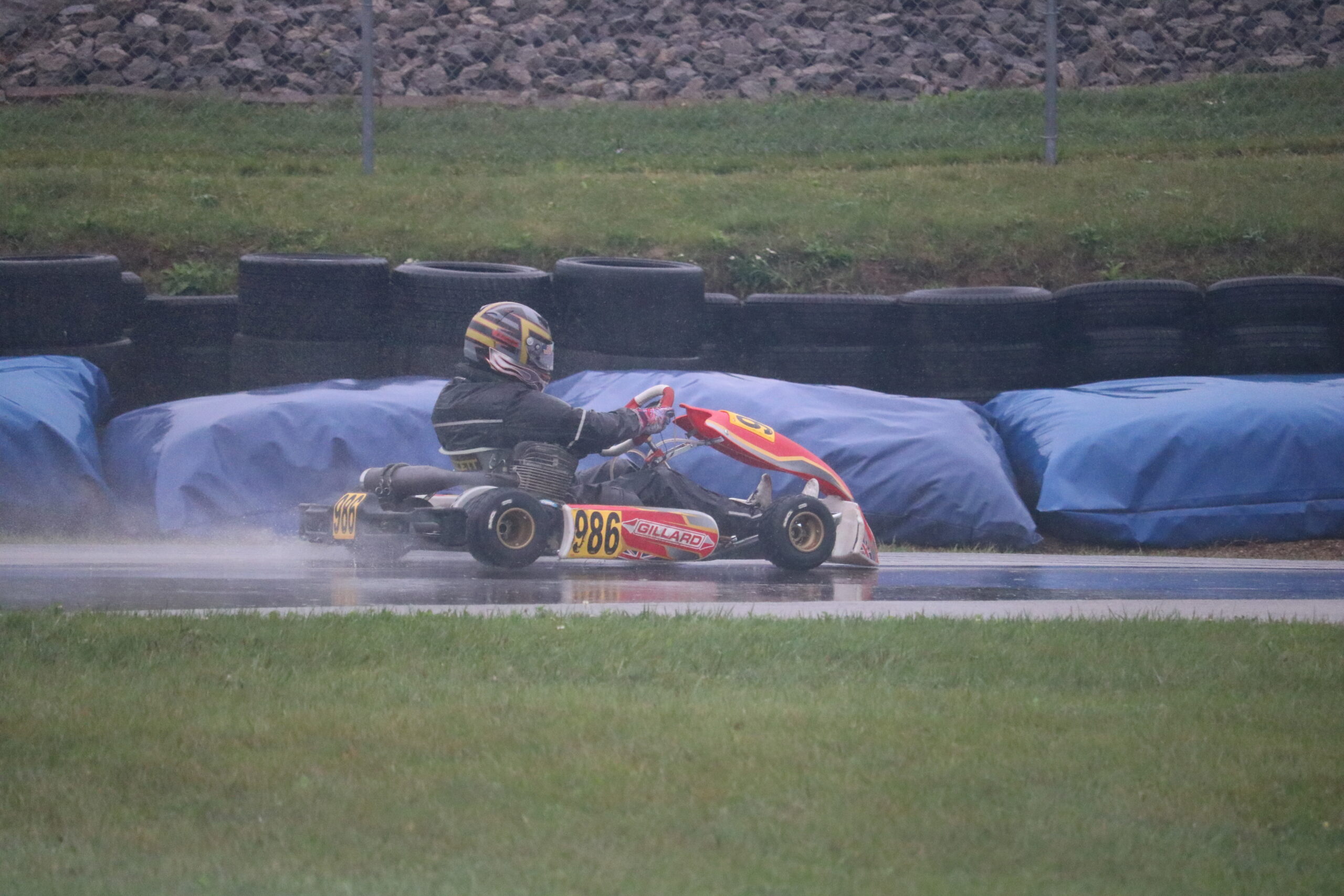
Everything we do online has to go through a data center. It’s where most online servers are held. They allow you to swipe on Instagram or order your food from your phone. The more data centers there are, the better cloud-based servers become. AI data centers are no different, but instead, they house large language models (LLMs). These AI data centers have the servers that train and then allow people to interact with the LLMs. In order to train these LLMs, they need to be exposed to a huge influx of data, and all of that data is stored in the servers in the data center. When someone requests the AI to do something, they search for it in their memory and then give an answer based on the information they have learned. AI needs a lot of computing power and has massive hyperscale data centers. Since AI is always learning, we need more AI data centers to continue to let it grow. Pennsylvania wants to be a big player in the AI space and is pushing for more data centers. They allow the AI to function better, with more accurate responses and quicker response times. This is helpful for advancements in AI technology.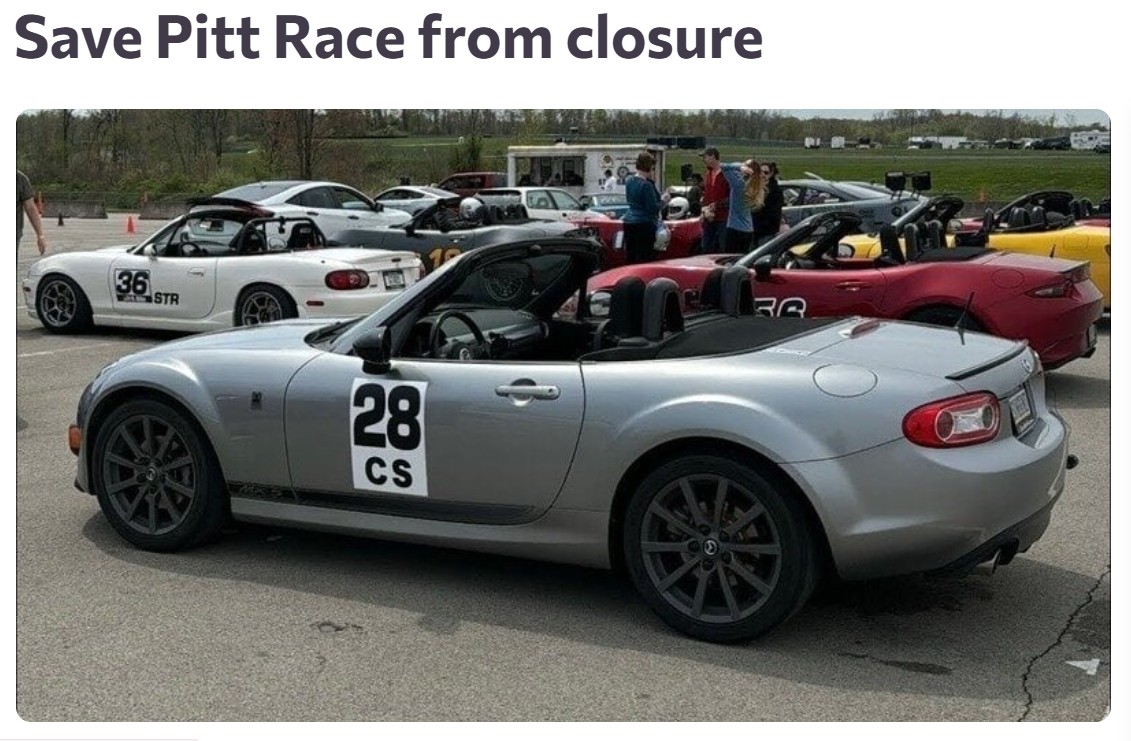
A link to the Change.org petition to save the race course: https://www.change.org/p/save-pitt-race-from-closure?recruiter=588666113&recruited_by_id=5098f440-6945-11e6-b45f-adbc8b56a57e&utm_source=share_petition&utm_campaign=psf_combo_share_initial&utm_term=take_next_step&utm_medium=copylink&utm_content=cl_sharecopy_490812135_en-US%3A9
However, these data centers are massive buildings that require power constantly; if they lose power, the servers go down. On top of that, they have very intense cooling elements that use water cooling and air cooling methods. The air cooling comes from hundreds of fans constantly using more electricity, and those fans produce a low-frequency hum that is heard 2.5-3 miles away from the data center. That makes the Racecars that only run during the day 5 months out of the year, not seem so bad! Data centers pull those resources from nearby communities, making their water pressure worse, and their electricity costs go up. In some cases, an increase of 28-329$ operator cost. All these servers and computers will require significant amounts of rare earth elements. Getting these rare earth elements (REEs) requires open-pit mining that can lead to deforestation and acid mine drainage that can leak into water sources used by nearby communities. There is a finite number of these REEs on earth, and once they are gone, there’s no more. Once these data centers are obsolete, these REEs will also be. As the building deteriorates, the REEs can leak the same chemicals from acid mine drainage into water sources nearby. These Data centers seem to do more harm than good. In Pittraces’ case, it’s stratified.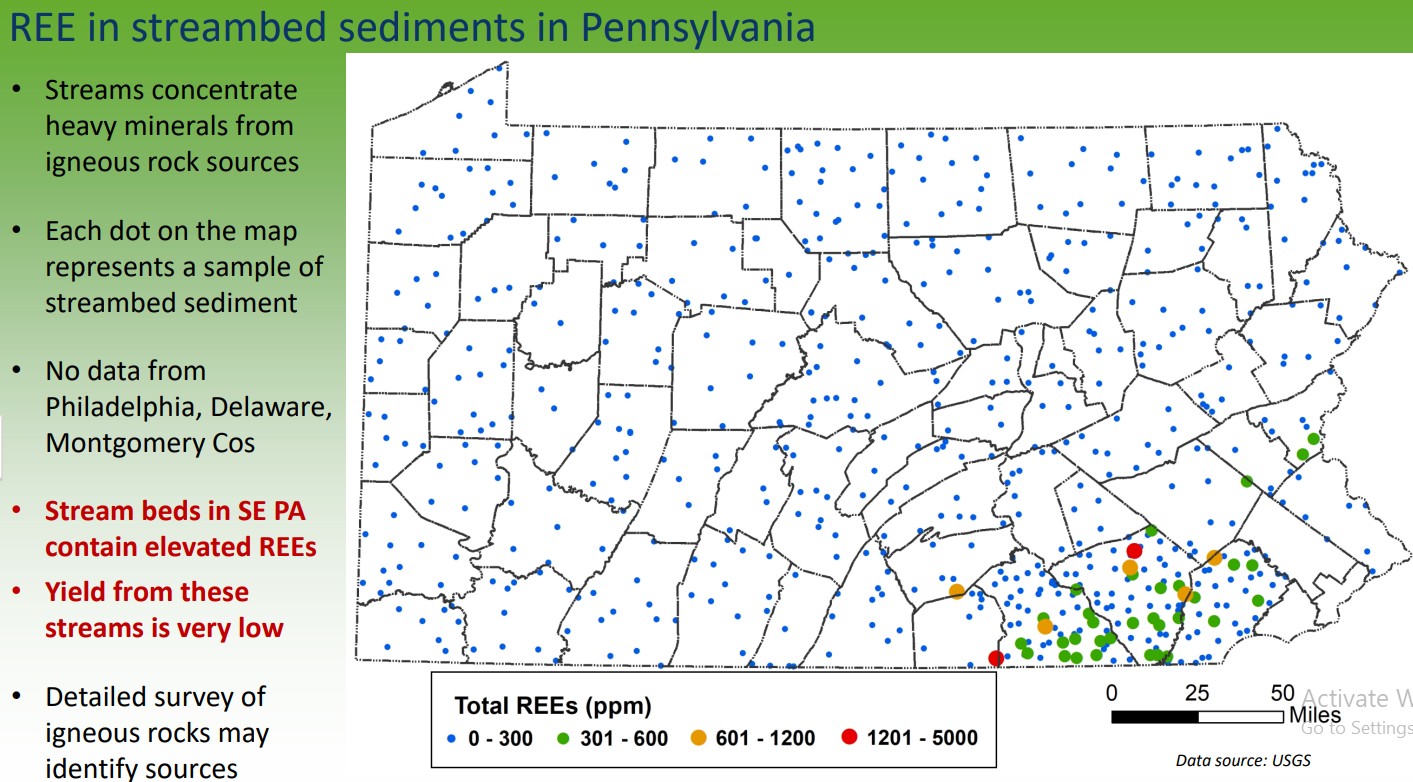
Pittrace was crucial to the local economy in Wampum. It brought business to nearby restaurants, hotels, gas stations, and performance car garages. The Race Place is a racecar fabrication shop a mile down the road. The owner, Brett, is an amazing guy who has helped me multiple times when I was in a pinch. Without the track, his business, which has been open for many years, could struggle. Dan and Eric own Pro Kart Concepts. They taught me everything I knew about karting and supported me all the way up to the last race. They are going to have to shift their operations to the closest karting track, an hour and a half away in Quaker, Ohio.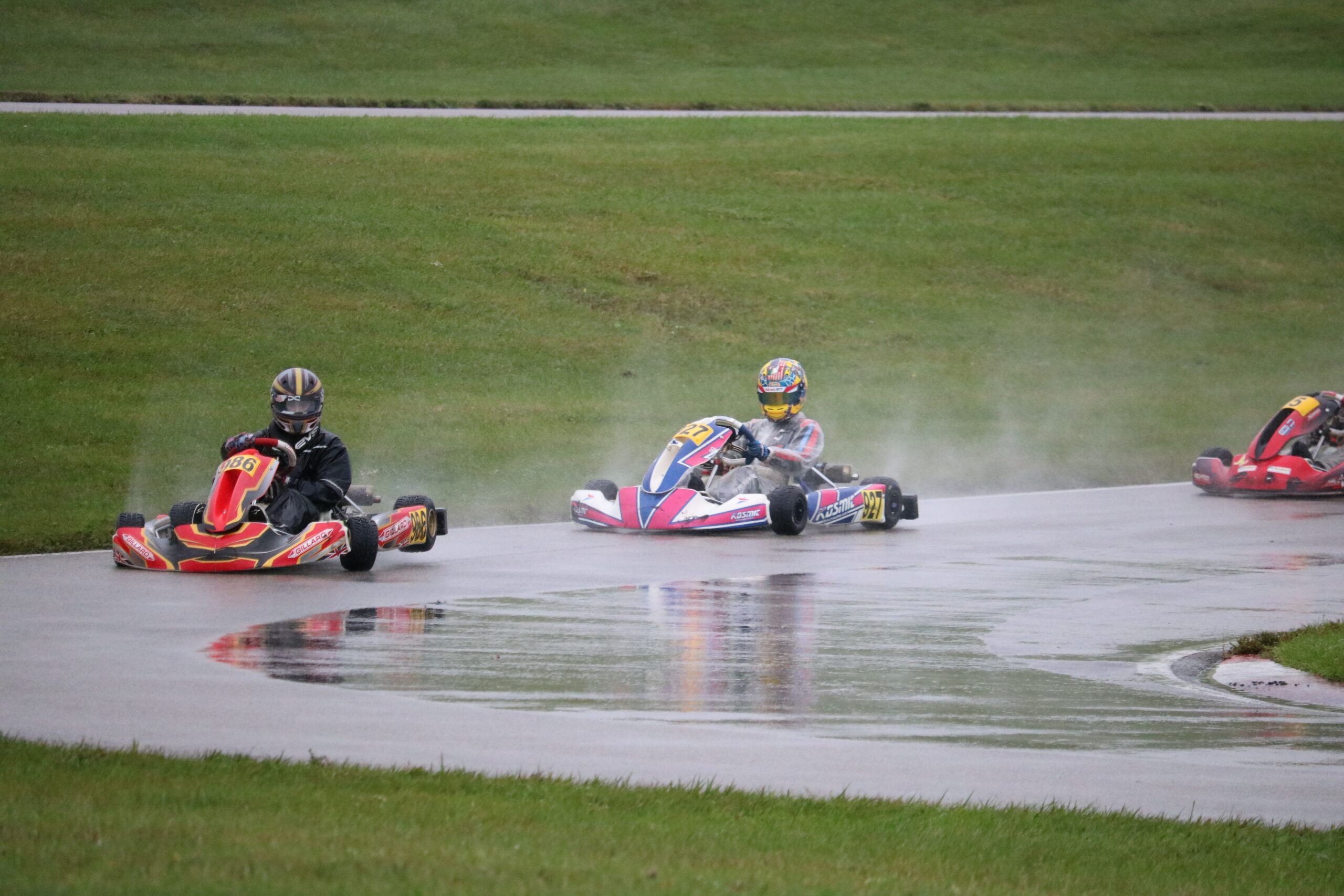
Pittrace itself also created a number of different jobs for people in the nearby areas, whereas the AI data center only needs a few to operate after construction.
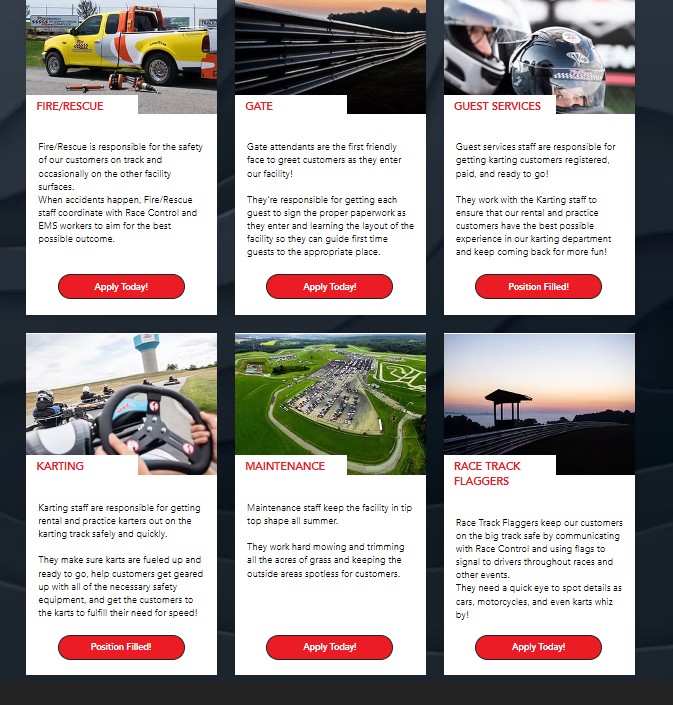
I have come to know and become friends with many of the workers at Pittrace, and they were great people, and it’s really unfortunate. The Pittrace community was like no other; it was truly a family. People who you didn’t even know would help you make it out on track on time. I have made so many friendships and lifelong memories at Pittrace, and I don’t want to believe it’s gone forever. With other tracks and motorsports being squeezed out, it’s important that we don’t prioritize AI development over the real human connections formed over the years at Pittrace.
A December 2025 list of potential Data Centers across the US: https://www.washingtonpost.com/climate-environment/interactive/2025/giant-data-centers-energy-pollution/?utm_campaign=wp_the7&utm_medium=email&utm_source=newsletter&carta-url=https%3A%2F%2Fs2.washingtonpost.com%2Fcar-ln-tr%2F461d6da%2F693ff6a15088dd01585f6f66%2F596c779bade4e24119cf940b%2F65%2F108%2F693ff6a15088dd01585f6f66