 0
0
 0
0
As a school, Avonworth High School places a heavy focus on trying to prepare students for what comes after high school. The Future Ready Program at Avonworth, run by the Future Ready Coordinator Dr. Maloney after her hire in Fall 2024, is designed to help students figure out what they want to do after high school. The Future Ready requirements come from the PA Department of Education, with a website anyone can access and visit to see where Avonworth and all other PA schools rank by state test data and other categories – https://futurereadypa.org/#


It typically begins in students’ freshman year with the Freshman Seminar class and the Xello online program. There, students can start to get an idea of what they would like to do later in life and once they become upperclassmen. Once students become juniors or seniors, the program increases in intensity, pivoting to help students narrow down their list of potential colleges and teach them how to apply. However, many students have mixed opinions on whether Future Ready actually does enough to aid students. Does the Future Ready program actually ready students for the future?
“Oh, no, absolutely not,” said junior Nate Parker. “We’re close to admissions time to be completely honest, especially for people doing sports, like recruiting, and they haven’t explained how to do any of it. So it’s kind of, you do it on your own because they don’t actually explain, and it’s not very helpful.” Indeed, the NCAA, or the National Collegiate Athletic Association, begins to recruit students immediately after their sophomore year of high school; by junior year, student athletes need to know both how to navigate this process and what they’ll want out of a college, lest they fall behind.
Future Ready’s potential faults aren’t just limited to athletes, either. Senior Paxon Masters, who is going to college for Musical Theatre, said, “Pretty much there is no study in my field whatsoever on Future Ready at all” and considered it “a waste of [his] time.” For students going into more specific programs, Future Ready can struggle to offer relevant opportunities.
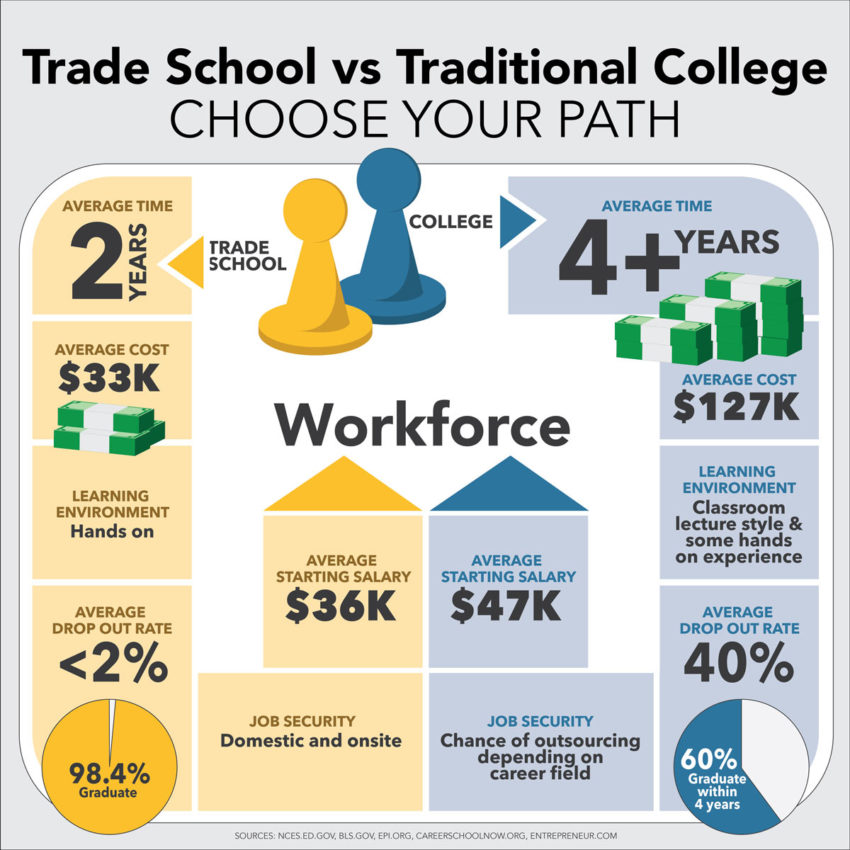
Students who aren’t going into niche programs, however, actually find Avonworth’s Future Ready incredibly helpful. Ella Ging, a junior planning on going into nursing, remarked, “It’s gotten me to know a lot of new fun resources, and I’ve actually gotten to job shadow a few times, which is great, and it’s really helped me.” Caroline Boothby, a senior pursuing a degree in psychology, said that “it taught me everything I needed to know about applying to colleges”. She then added that “I think it definitely could be improved upon, especially for people who aren’t planning on going to a regular college or maybe want to go to trade school, because it was pretty college-heavy.”
Students were also asked about Xello and if they thought it was a beneficial tool. Caroline proclaimed that she “[did] not think that it was very helpful” and continued by saying, “I don’t think that the resume portion of it was good at all. I ended up making my own resume, and I’ve never used any of it aside from the grad project that you have to do.” Senior Harlow Chekan agreed: “I mean, I get the outside perspective, maybe looking at it could be helpful to an observer, but I personally don’t think it’s helpful, and I don’t like doing it.”
Every student’s opinion of Avonworth’s Future Ready program is shaped by their own unique circumstances, making it difficult to fully judge the program’s effectiveness. However, most students seem to believe that what the program does cover, it covers well. Avonworth’s Future Ready program works well as a college readiness program for the average student; if Avonworth wants to create a true future readiness program, however, the school might need to widen its scope.
Written by Sara Stoeckle, Lyra Klinedinst, and Phoebe MacKillop


