 0
0
 0
0
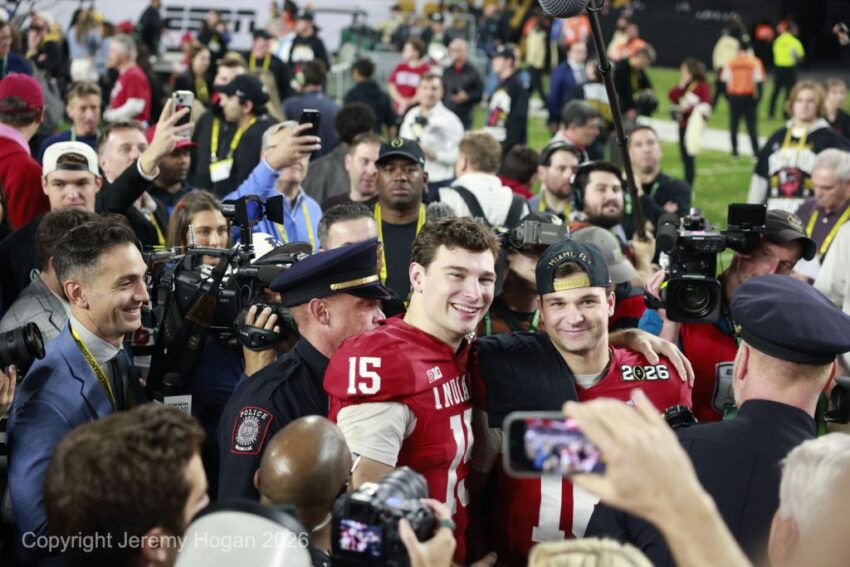
In a sport typically defined by “blue blood” dynasties and S.E.C. dominance, the Indiana Hoosiers did the unthinkable. With a 27-21 victory over the Miami Hurricanes at Hard Rock Stadium, Indiana secured its first-ever national championship, completing a perfect 16-0 season and cementing the greatest turnaround in college football history.
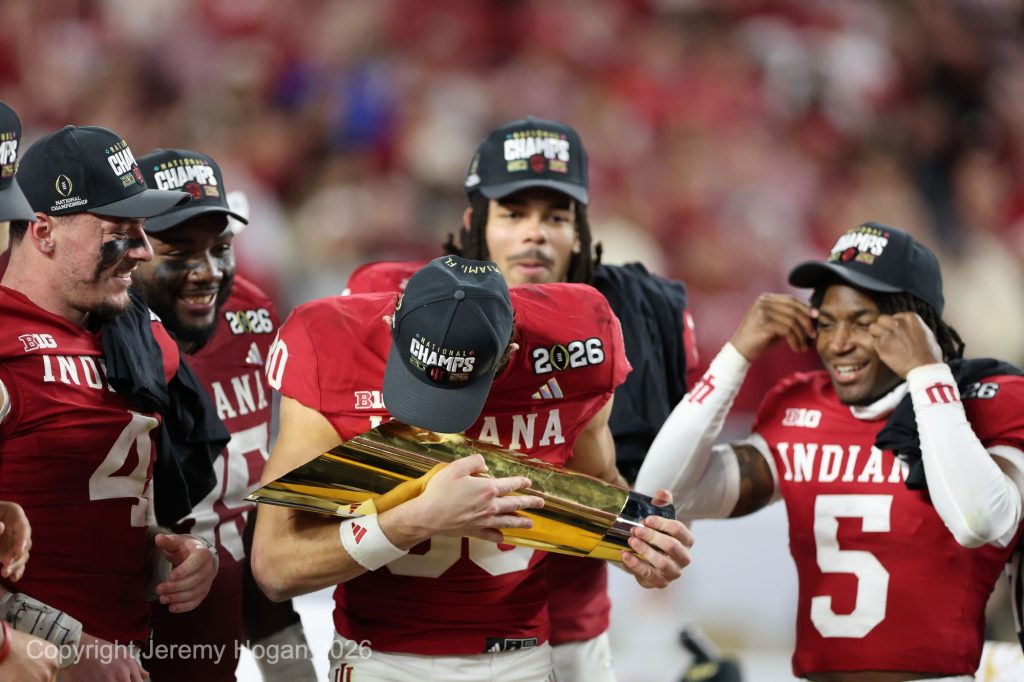
The game was sealed by Heisman Trophy winner Fernando Mendoza, whose 12-yard scramble on fourth down in the fourth quarter gave the Hoosiers the breathing room they needed. While the Hurricanes surged late, a game-sealing interception by defensive back Jamari Sharpe ensured that the trophy would head to Bloomington. Just two years ago, this program held the record for the most losses in Division I history yet, today, they are the only team in the modern era to match the 16-win mark.
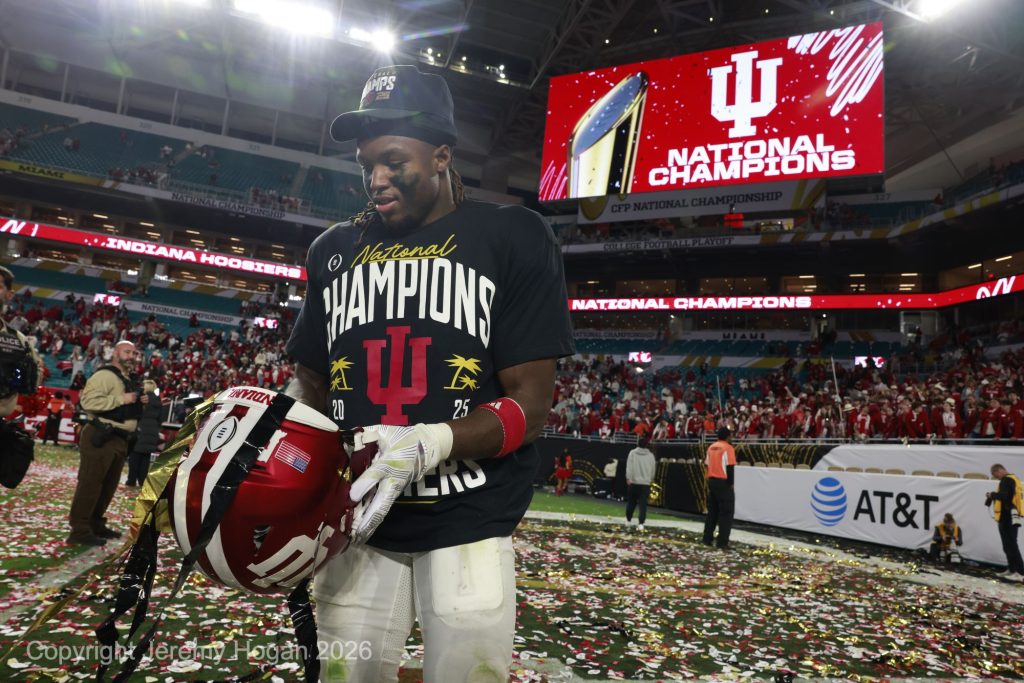
Indiana’s path was paved by the new 12-team playoff format, which debuted to provide more access to programs outside the traditional power structure. By navigating a grueling schedule that included playoff wins over Alabama and Oregon, they proved that a non-SEC program could indeed defeat the giants of the South.
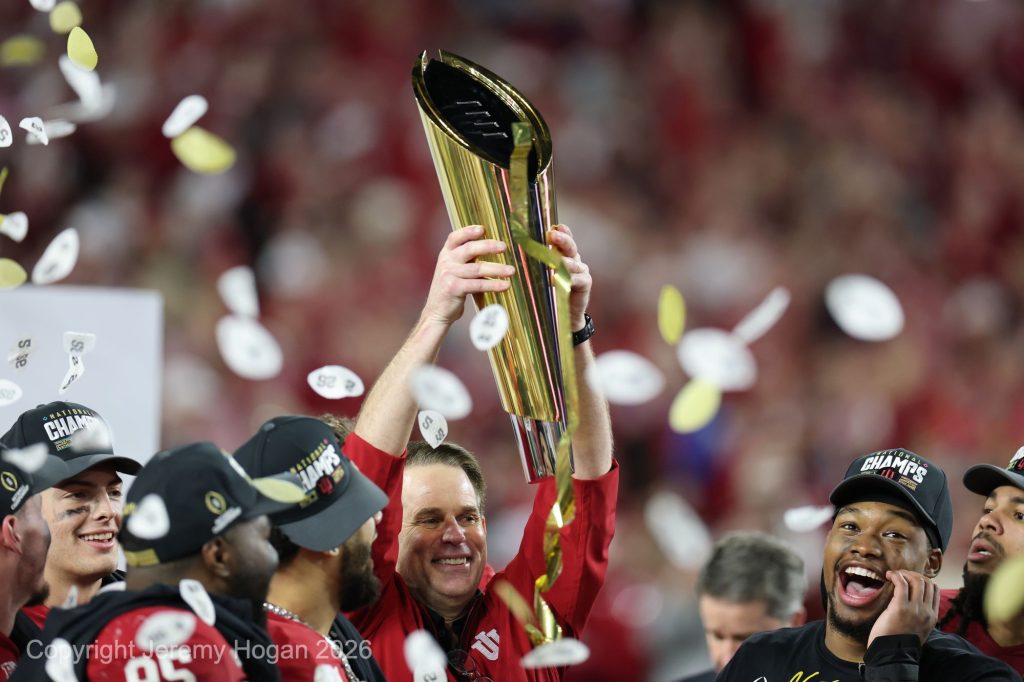
The architect of this miracle, head coach Curt Cignetti, has spent two years telling people to “Google me.” His confidence and approach transformed the culture at Indiana. Cignetti used the Name, Image, and Likeness (NIL) era to his advantage, rebuilding the roster through the transfer portal with money that the program did not have in prior years.
Mark Cuban can be partially credited for that as his donation to the NIL fund at Indiana. “I saw it with the Mavs in the NBA, there’s kind of like a salary cap. You have to know how to build a team,” Cuban said. “You have to know what kind of players to go after. It’s not about winning the portal. It’s about getting athletes and players who want to, know their role, work to fill that role, know what their position is with the team, and having an organization and coaches that understand you’re not getting players who are coming in for four years to develop, then they’re great when their seniors. You’re coming in, like coach says: ‘I want production, not potential.’ And understanding that is big.” This donation begs the sports world to ask the question: Is NIL ruining college sports? That depends on the perspective. Personally, I believe that it makes college sports more interesting, and gives the underdogs a chance, however there are a variety of opinions, and no one can really answer that question.
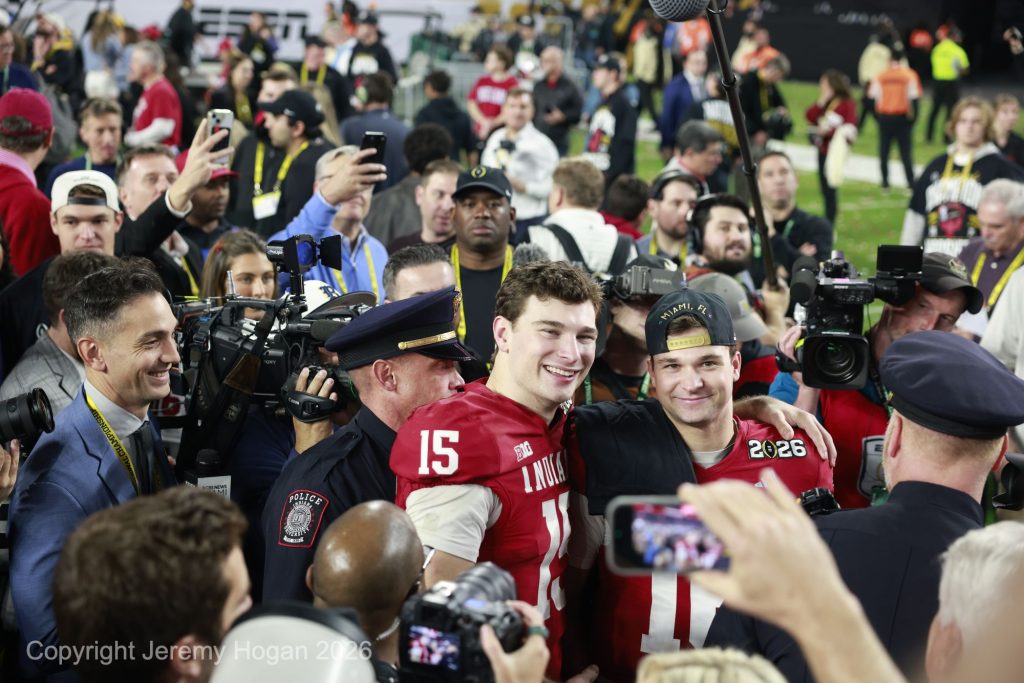
The victory also signals a shift in conference alignment dynamics. In the new-look Big Ten, Indiana’s rise proves that the expanded 18-team league offers a legitimate path to the bracket that doesn’t require being a top ten team from the beginning like in past years. However, teams that do not reside in the power conferences like the Big Ten or SEC, may be good enough to have what it takes, but are not facing the competition they need to get recognition. The seeding is based off of strength of schedule and quality of wins, but if a team does not have quality of wins, the record doesn’t matter. This begs another question: Will there be a shift to the size of conferences, and will the Big Ten and SEC continue to dominate, or will other smaller conferences rise to power?
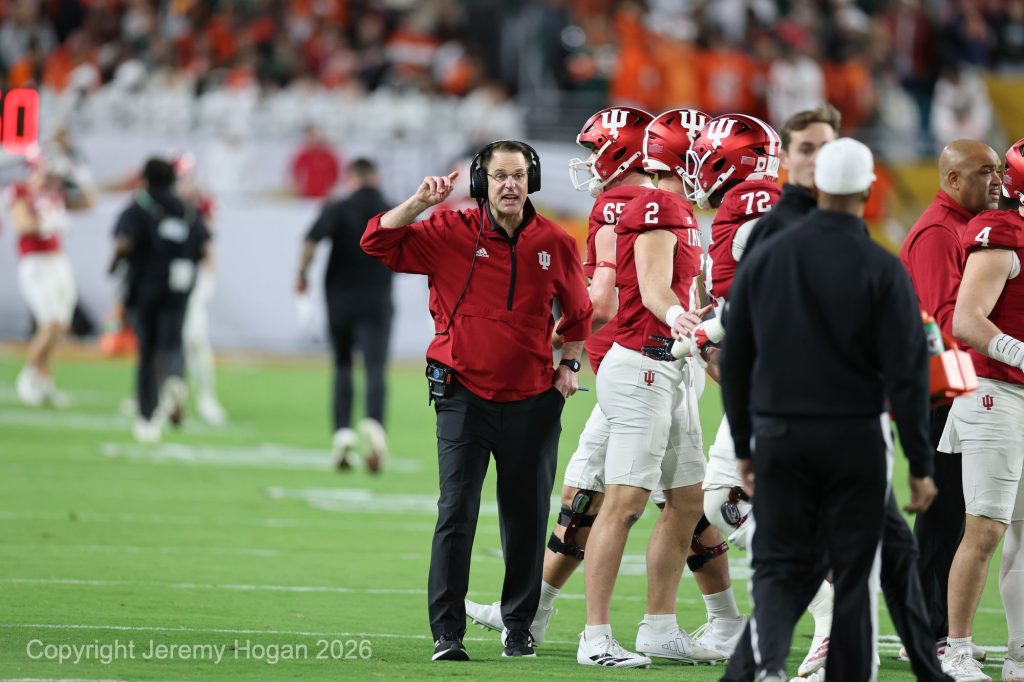
As the confetti settles, the question is no longer “Why Indiana?” but “Who’s next?” With Cignetti recently signed to a massive contract extension and the program now sits atop the league, however, as all sports fans have come to know, anything is possible. WIth the right coaching and large sums of money for NIL, any team can become a powerhouse, and college sports enter a new era. Some would consider college sports to be professional because of the money, regardless, the NCAA needs to figure out what their future looks like and how they can control the future of the league, and not let money spiral out of control.
Photos from the Indiana University Student Newspaper The Bloomingtonan and photographer Jeremy Hogan –
https://bloomingtonian.com/2026/01/20/gallery-indiana-football-national-champions/


