 0
 0
What is the American dream? People normally think about food, experiences, or freedoms. But could it be the American schools? What makes our schools different from those abroad?
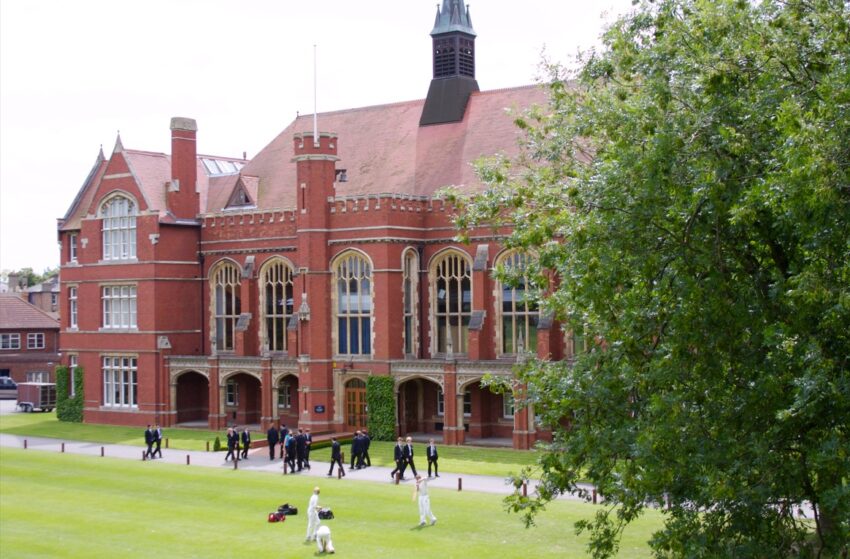
Freshman London Phillippi traveled to England and shares details. The school days in both England and America are both around six hours. But that does not mean that what goes on during the day at a British school is similar to a normal American school day. In British secondary schools, students start their day off with registration or “form time,” which is their homeroom.
School In England
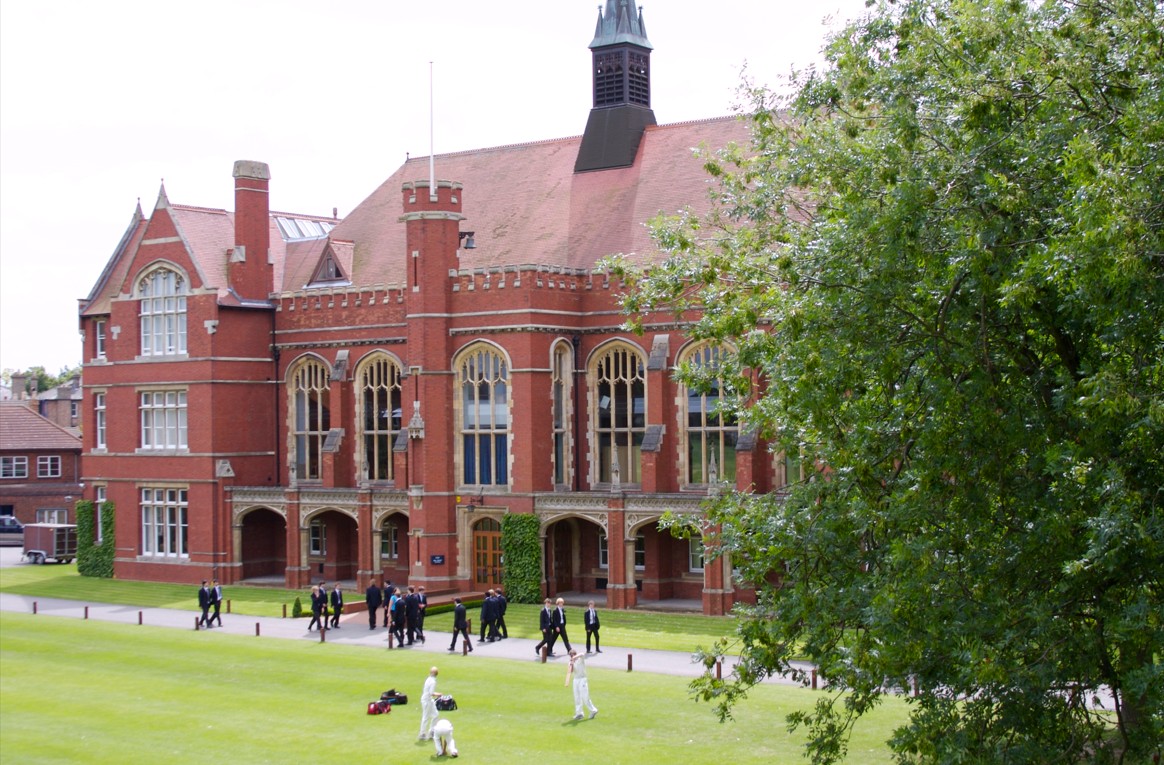
American high school progresses from freshman to senior year. England is different because secondary school grades are split up by years. For example, year 10 would be the American equivalent of 9th grade. But, most British students go to university after year 11 when they are 16 years old. As a result, most “ big tests” in British schools are given around year 11. Likewise, American students have “big tests” and graduation requirements every year of their high school career.
Hungry? British lunches can be around 45 minutes and happen later in the day than most American schools. The typical British lunches consist of many foods such as pies, sausage, and mashed potatoes, with the addition of other healthy options. Lunchtime in American schools is normally 30 minutes in length and includes multiple different food options like pasta, salads, sandwiches, and pizza.

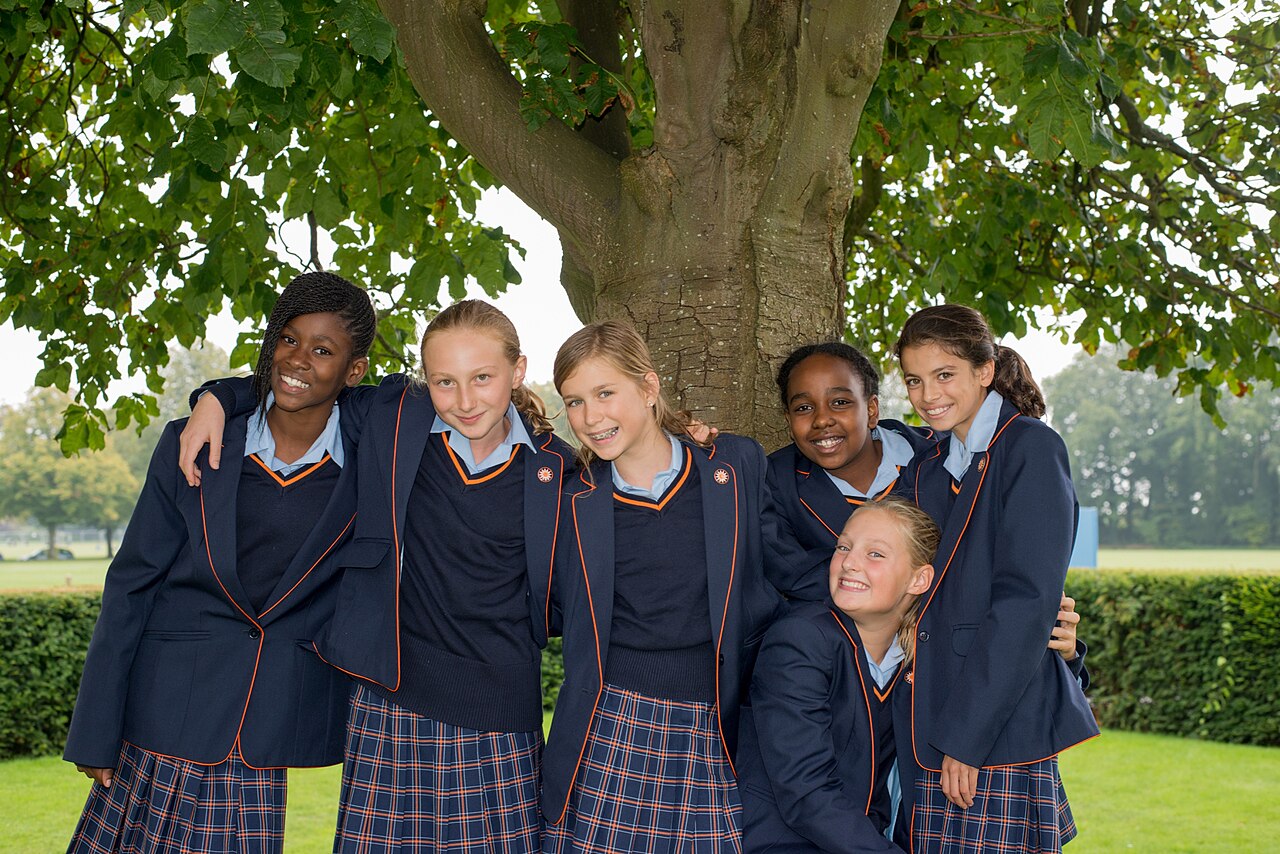
Would you rather wear uniforms or sweatpants? In the average American school, the dress code is more lenient. You can wear pajamas if you want! On the other hand, British schools have a more strict dress code consisting of ties, blazers, school shoes, and even a separate uniform for gym class.
Let’s get into some statistics. American high schools are majorly focused on a student’s plan for after they graduate, and British students are focused on mostly the same, just a little earlier in their life. 61% of American high schoolers go to college after high school while only 35% of British students go to university. Additionally, 21% of British students go straight to an apprenticeship, with only 16% of Americans going into trades after they graduate. Even more so, there are around 22,000 British students who complete an exchange year in American high schools every year. Even though there is not a specific number of students from America who do an exchange year in English secondary schools, in past years European countries have surpassed the U.S. for study abroad participation. England is also the top ranked country for students studying abroad.
School In France
In the Fall 2026 Avonews, former exchange student Brune Jico shared an update from the student protests dominating international headlines about schooling in France. It’s helpful as well to add an American perspective on the system in general, as freshman Violet Bevington provides in the rest of this article, based on her visit to France.
To understand Imagine going to school where your lunch can last up to over an hour, and days run to almost 5PM! For American students, a typical day at a French school might look very different from what they’re used to. While both countries value education, their school systems have some fascinating differences.
“I really enjoy the school social events in an American school. Themed football games, pep rallies, and school dances are some of my favorite memories and give me something fun to look forward to with my friends.” said junior Elsa Garavaglia.
Let’s begin with some of the most prominent differences.
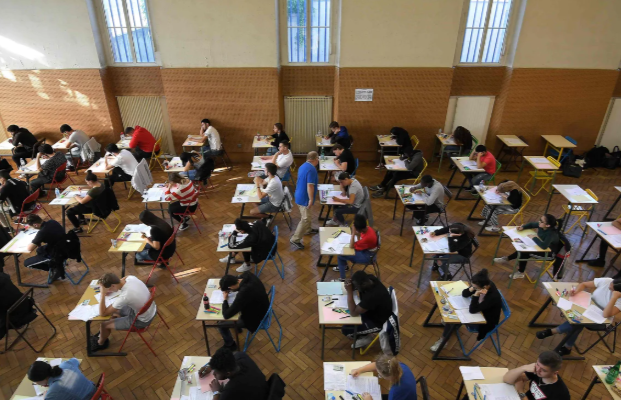
A typical American high school lasts from 8AM- 3PM, which is a seven hour school day. However, French schools run from 8AM- 5 or 6PM. That is a nine to ten hour school day compared to only seven.
Now there are some reasons why the French days are so long:
French lunches can go up to 1-2 hours long, making the academic part of the day similar to what it would be in America.
The French also have fewer classes throughout the day, making each class 2 or so hours long.
Let’s pivot back to lunch. Why are they so long? The French strongly value learning table manners, and proper eating skills from a very young age. The lunches tend to be so long so kids can have a proper meal, and proper conversation, and build up these skills starting young.
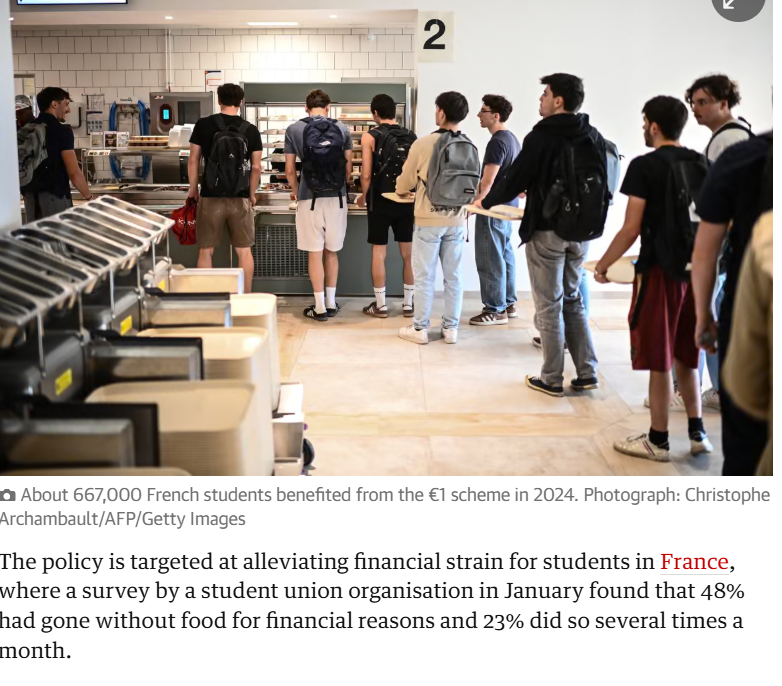
The French food options don’t vary as much from the American selection. However, every day they get a 3-4 course lunch. That is probably a huge factor in why it’s so long. It is much more common for highschoolers in France to eat out for lunch, especially in higher grade levels like Premiere and Terminale. For students who have to pay for their own lunches or having other family financial hardships, they rely on provided lunches, one of the many conflict points leading to student protests in 2026, as detailed in the caption from an article in The Guardian about changes in school policy.
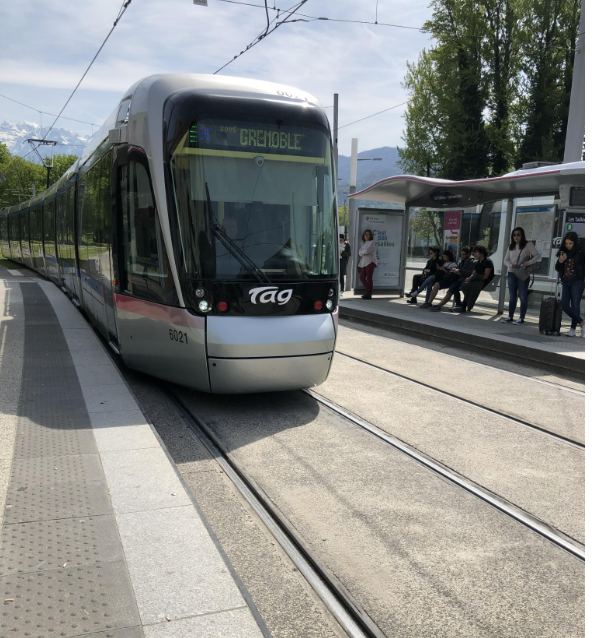
French schools also don’t provide school transportation, so no yellow school bus comes to pick kids up in the morning. The French either have to use public transportation, like the Tram, walk, or have their parents drop them off.
French assessments are different from American ones. In France, students in Première and Terminale take an exam called Baccalauréat (le Bac). This is an umbrella term for a series of tests taken over the last two years of high school.
There are three different sections within this test: Baccalauréat Général, Baccalauréat Technologique, and Baccalauréat Professionnel. Now you don’t take all of these. You take one depending on the field you expect to enter after high school. Ultimately, American and French schools may differ in schedule, rules, and teaching styles, but both share the same goasl of helping students learn, grow, and succeed in the future.

Writing and research by London Phillippi and Violet Bevington
Sources:
https://yfuusa.org/2026/04/09/study-abroad-statistics/