 0
 0
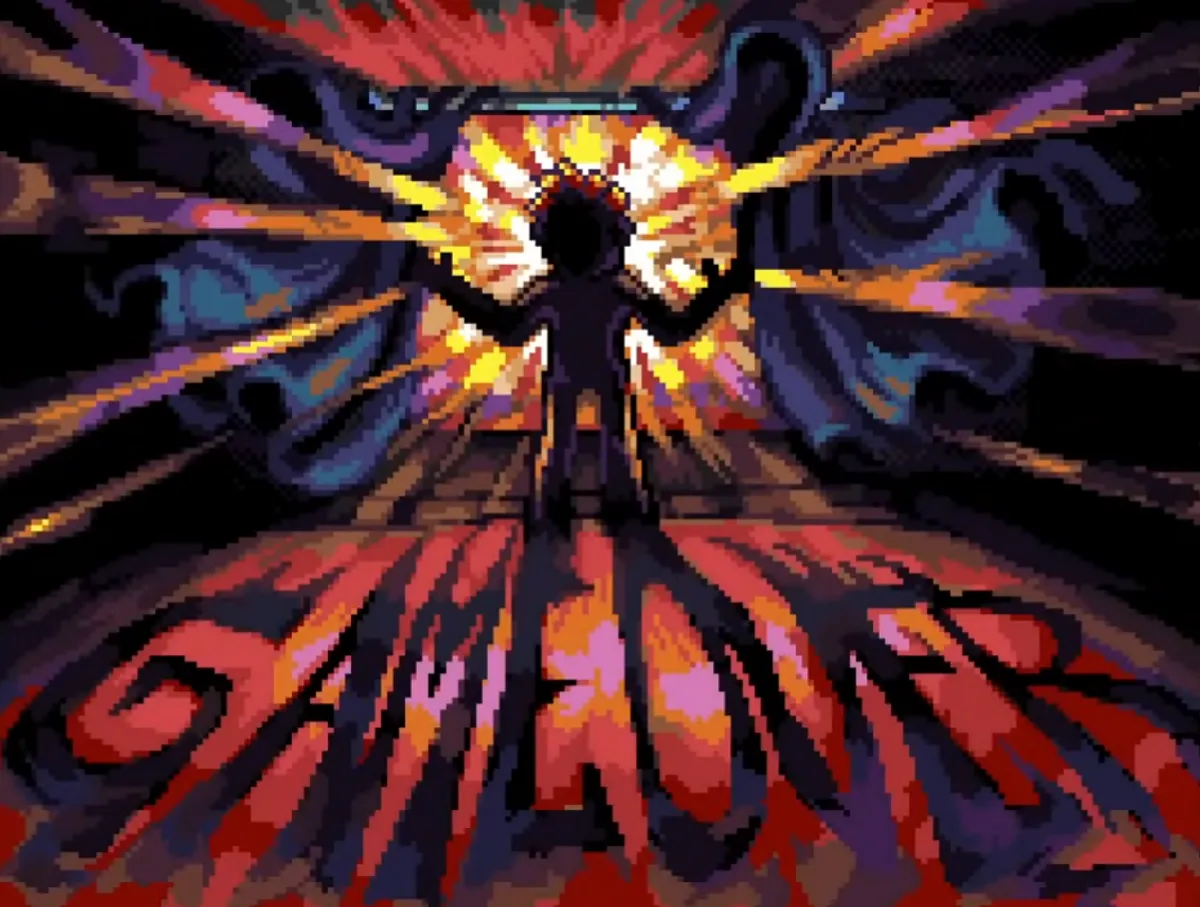
Francis Coulombe’s Look Outside is a RPG horror video game for Windows released in 2025 with a heavy emphasis in aesthetics for body horror. The game follows Sam, an unemployed average adult in an apartment complex somewhere in Montreal. One morning when he wakes up, Sam finds his apartment overrun with nightmarish, contorted creatures who were once his fellow tenants. It appears through either something or someone that anyone who looks outside suddenly becomes contorted. Sam’s neighbor, only represented through an eye peeking through a crack in his wall, Sybil, predicts whatever this is will only last fifteen days. Sam, to survive both hunger and the new world he finds himself in, must explore his apartment complex to scavenge food, weapons, and other supplies needed to outlast the end of the world.
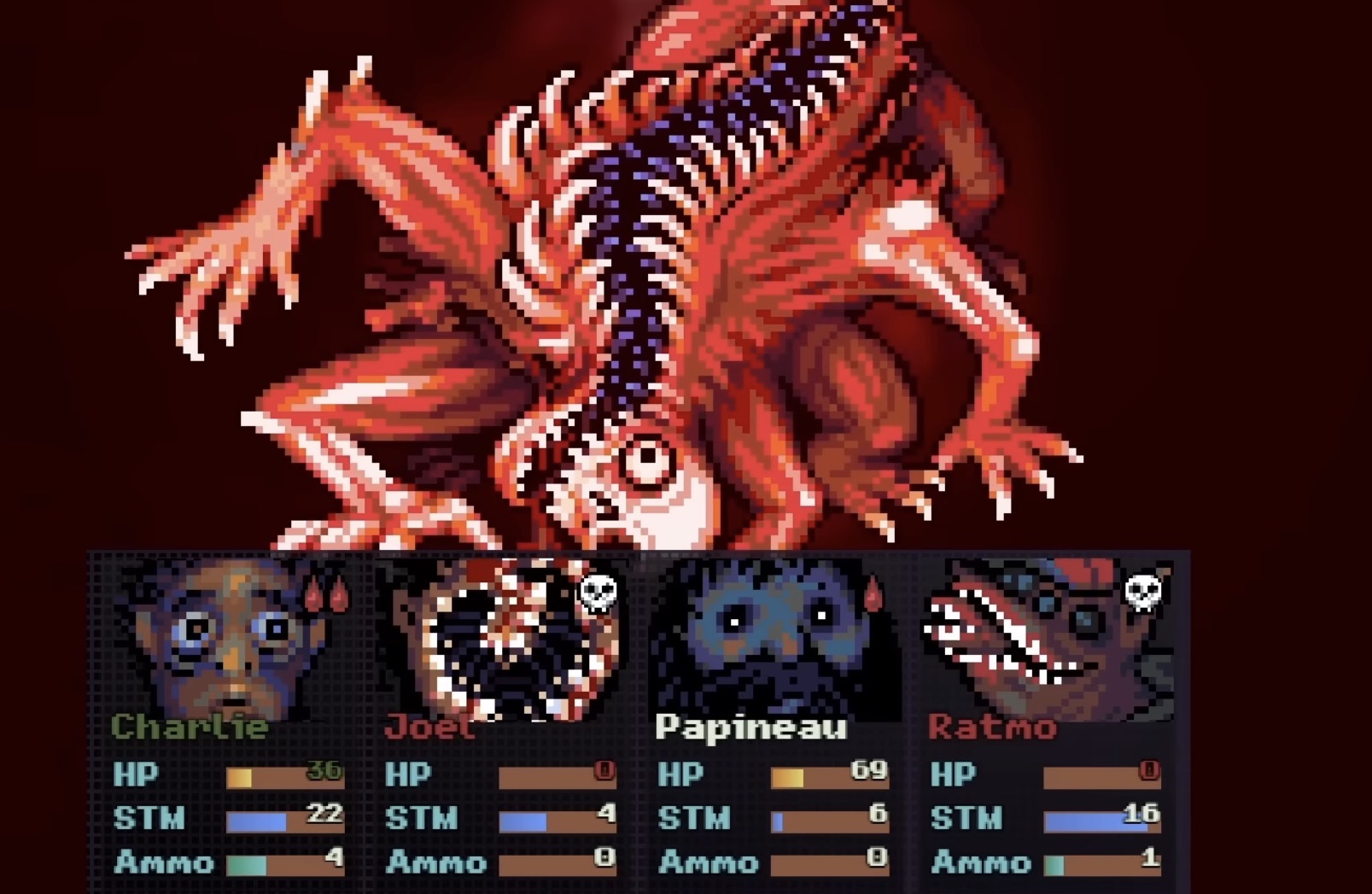
The premise lends itself to its heavy body horror, as whatever lurks beyond the complex’s walls was designed to create just that. But what surprised myself and presumably many other viewers is that this horror is not the main theme or plot depending on the player’s choices. The game has no singular storyline. Yes, there is an intended pathway which provides a satisfactory end, but there are also twelve unique others. But what truly carries the game are the many compelling characters. The game is so expansive and varied a player may only encounter 2 out of the 18 recruitable party members. The world is built entirely around the people inhabiting it, as while there are only 18 recruitable NPCs, the entire building is filled with both human, formerly human, and completely inhuman characters for Sam to interact with.
The way these characters are interwoven with the gameplay, world, and storyline is what drives someone like myself to become a fan of and play Look Outside.

I have never been a fan of horror games. While many have compelling plot lines and incredible graphics, I remember playing Resident Evil: Village and never having fun. While, yes, the entire game I was on edge, I knew that was the point. However Look Outside instead focuses on their characters. Resident Evil had a main storyline for the player to follow, and I felt like my choices weren’t important. I didn’t feel attached to any of the characters, and the main themes didn’t feel earned. Now, this isn’t to say Resident Evil: Village is bad by any means— it has rightfully earned its place on many thrones— but Look Outside fills the niche I sit in. And I believe many others who ‘don’t like horror games’ sit in the same corner.
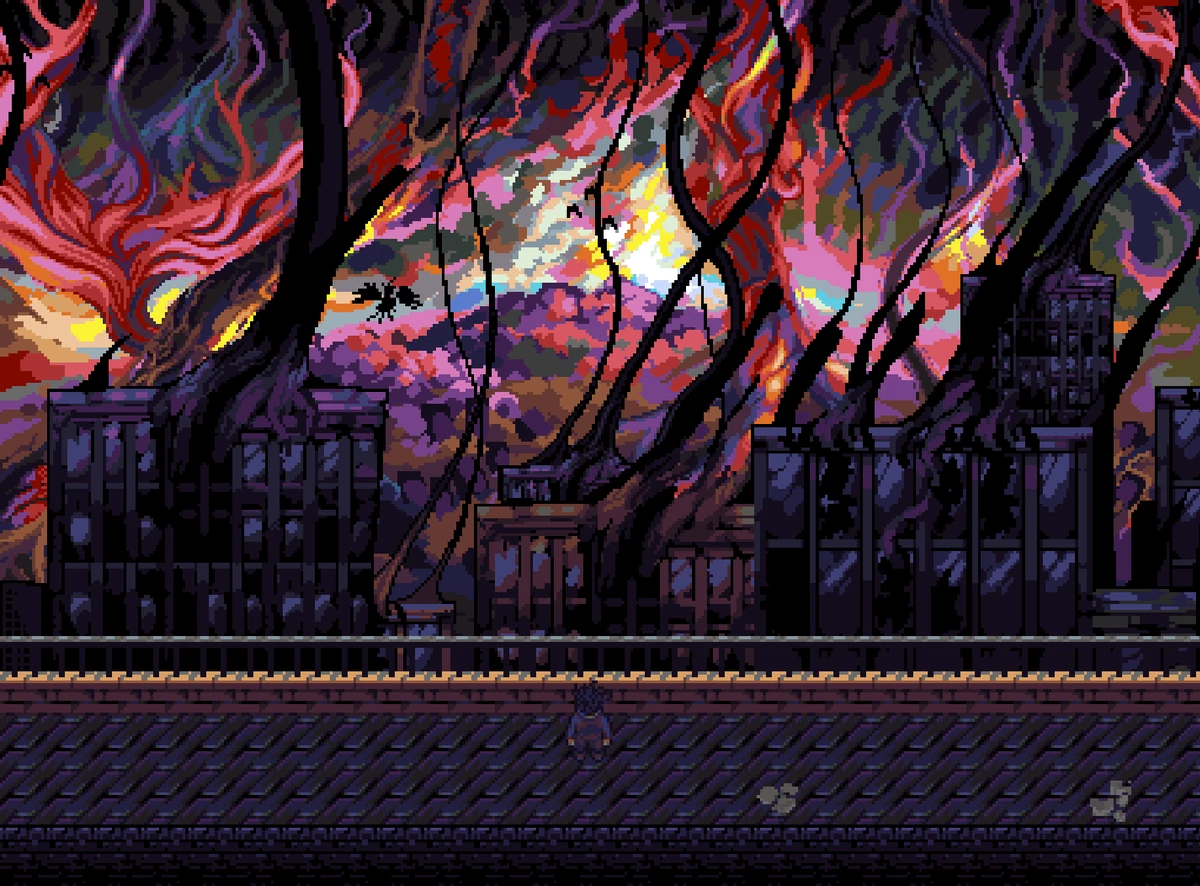
Characters and other games aside, Look Outside has an incredible amount of art. The artwork is both horrifying and horrifyingly beautiful, using both vibrant and dull colors to heavily fortify the tone of however scene they’re in. The designs for enemies are incredibly creative with each one feeling both unique and grounded in the world. Instead of one type, like the zombies of The Last of Us, each zone has its own unique ecosystem and diversity. Not only is the artwork breathtaking but the music is lovingly crafted to blend seamlessly into the background. As any worthwhile game-developer will tell you, music can make or break a game. Play any game you love with the music muted, I implore you, the experience will be fundamentally different. It too exhibits purpose and atmosphere by adding to the tone of the scene, leading to an immersive world handcrafted for the player to explore.
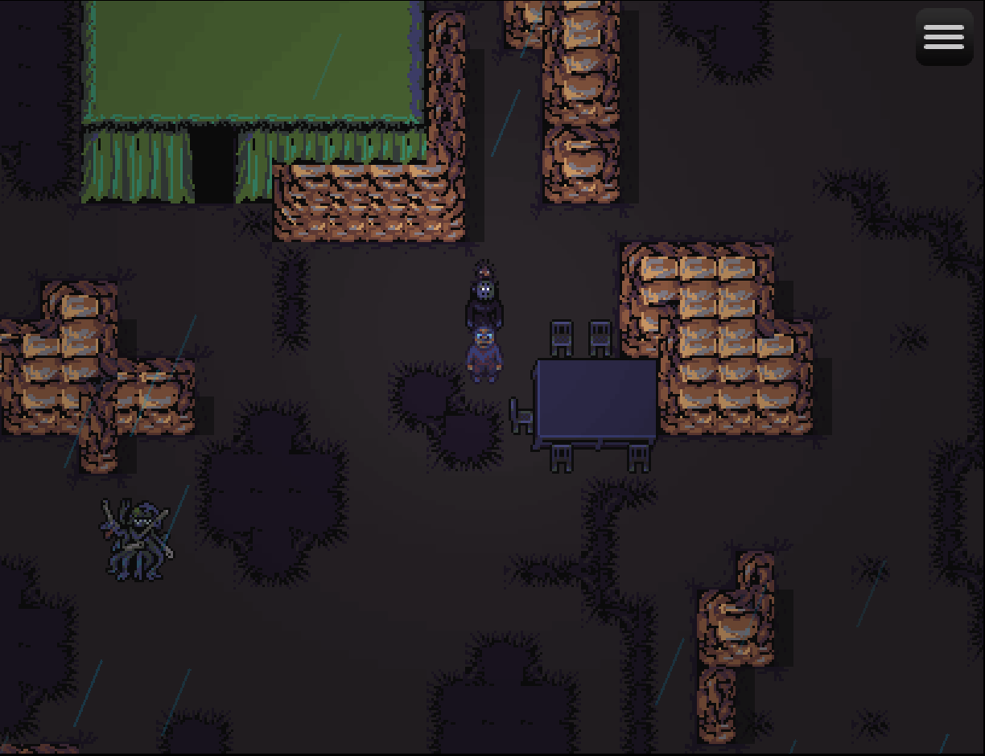
A personal favorite area of mine is the landlord’s apartment. The player is introduced to him whenever they find his apartment on the ground floor, an old and disabled veteran. He hounds Sam on overdue rent leading to many players trying to pay it. Once Sam pays enough of his rent, he’s led to an active war zone. Enemies are puns on different military lingo, the music is heavy and dark with air-raid sirens mixed into the track. The visuals are dark and gritty but still have time for decompression and humor through the different NPCs littered around the area. A companion can even be found within the muck— a sentient landmine named Betty. Betty can be obtained by an NPC named Minesweeper, a play on the computer game of the same name, after giving him 12 diffused landmines. Betty can then reside in Sam’s bedroom, growing bigger with every day that passes to increase damage but also providing a moral dilemma. Many players get attached to Betty, and either feel bad about or refuse to use her in battle. Betty has her own personality and loyalty as well. If the player attacks Minesweeper she’ll dash out of the player’s inventory and join her original owner in battle, gaining the confused debuff, confused on who she should fight for.
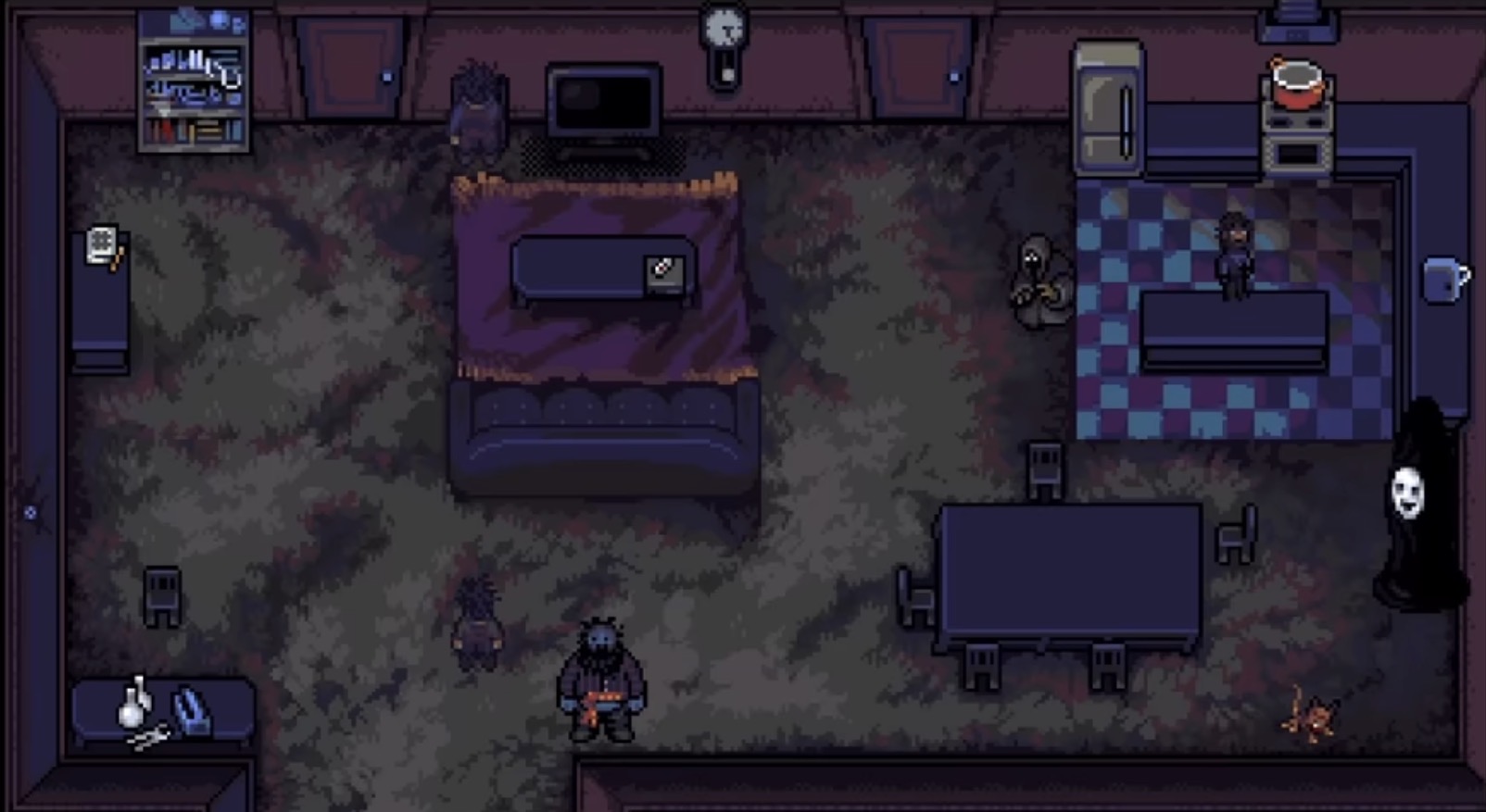
The game, similar to other indie-games such as 2015’s Undertale, gives the player many more choices and consequences than many others. A more recent example would be Poppy Playtime, which has been criticized by many for giving the player no choices yet trying to use their actions as an emotional crutch. Instead, Look Outside crafts its moral dilemmas and emotional beats off of earned and chosen paths. It’s baffling to someone like myself how a solo developer could put so much care and craft into a game which is— despite the current economy and trends within game pricing— is only 10 dollars. To someone like myself, it’s a shame more people aren’t supporting it. This is exactly what myself and many other casual gamers are looking for as the industry moves on, which are well-made games at an affordable price. This is why Team Cherry’s Silksong was so highly praised by the gaming sphere as a whole due to its quality and incredibly affordable price, as well as games like Cult of the Lamb, Peak, and many others. The consumer votes with their wallet, and with games like Mariokart World costing a whopping 80 dollars for what even some die-hard fans consider lackluster gameplay, this vote is becoming increasingly more and more important. Not only does it define what consumers are willing to pay for games, but it dictates the quality with titles like Pokémon ZA, a game now famous for its poor quality yet AAA price. However bleak the gaming scene may appear in both corporate spheres and indie, this ability and many others is what defines all markets. Power comes in numbers and resisting the urge to settle when, instead, something frighteningly yet beautifully new waits just beyond your screen.